Background
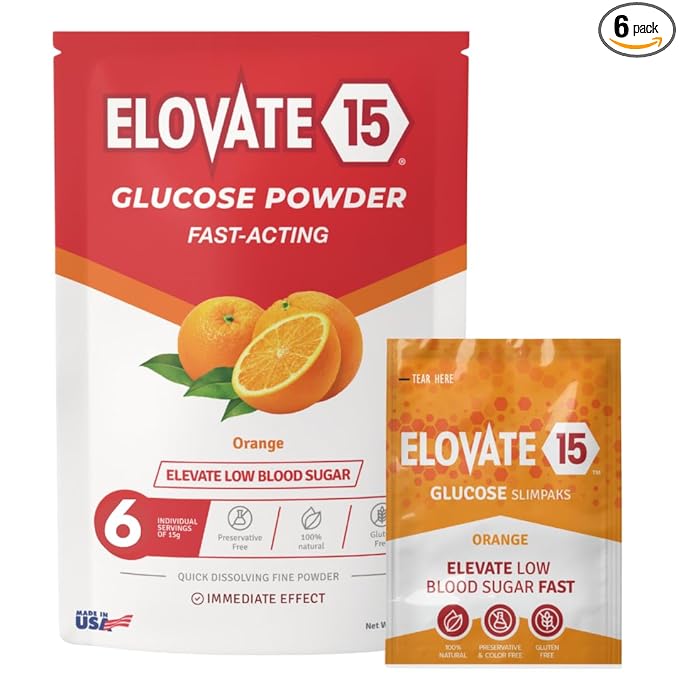
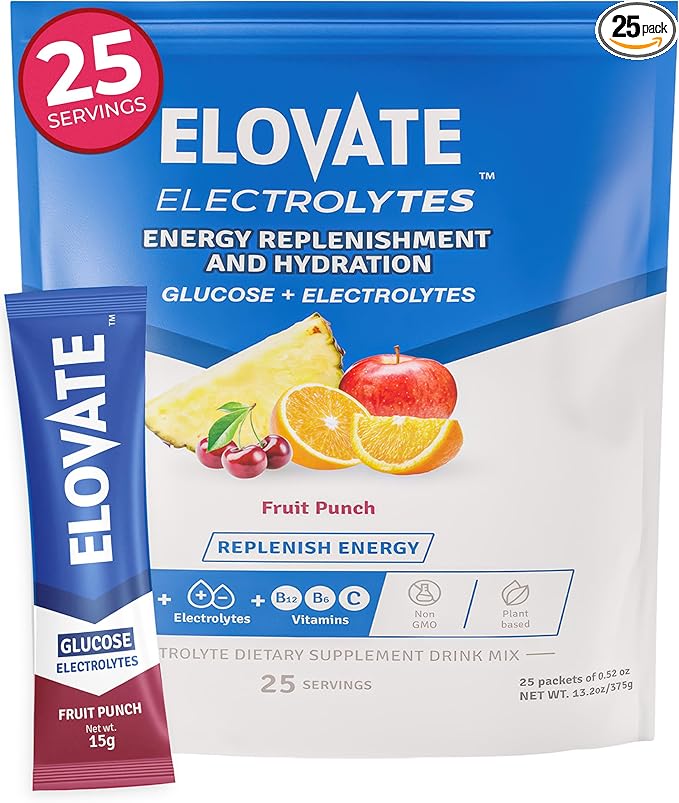
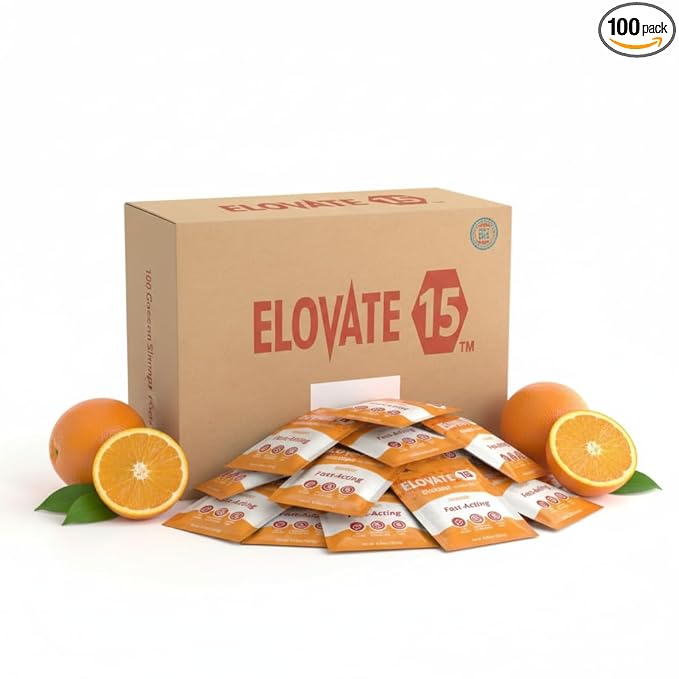
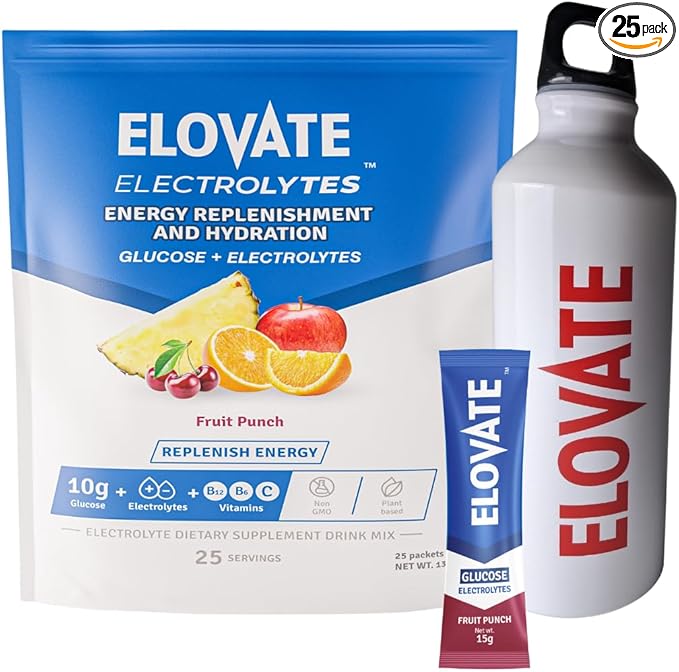
Elovate is a functional nutrition brand with a core focus on fast-acting glucose powder—a product designed for rapid energy replenishment, convenience, and on-the-go use.
When we began working together, the brand was generating approximately $20K in monthly revenue on Amazon. Demand existed, traffic was flowing, and the product had a clear use case - but growth had stalled.
- This wasn’t a product problem.
- This wasn’t a product problem.
The account lacked structure, funnel depth, and signal clarity - making it difficult to scale efficiently or predictably.
The Challenges
As we audited the account and performance data, several interconnected issues became clear:
1. Spend Was Flowing, but Signals Were Blurry
Elovate was already investing in advertising, but:
- Keywords were mixed across match types
- Discovery and scaling efforts were not clearly separated
- High-order search terms were not being systematically harvested and isolated
As a result, the account was generating traffic without learning efficiently. Scaling spend under these conditions would only amplify inefficiencies.
2. Creative Fatigue Was Suppressing Growth
Sponsored Brand campaigns were relying on a limited set of creatives and messaging.
Over time, this led to:
- Stagnating CTR
- Irrelevant ads served in the search results (lack of granularity to the structure)
- Poor customer search to product matching intent
- Reduced ability to unlock incremental scale
Traffic wasn’t the bottleneck - the structure was.
3. The Funnel Was Too Shallow
The strategy relied heavily on first-touch conversions:
- Minimal remarketing
- No structured audience-based bid adjustments
- Lost shoppers were rarely re-engaged
This meant Elovate was paying repeatedly to acquire new traffic, while leaving warm, high-intent audiences underutilized.
4. The Listing Was Not Carrying Its Weight
The listing itself was functional, but not optimized to convert efficiently at higher traffic volumes:
- Copy leaned descriptive rather than benefit-led
- Key value propositions were not front-loaded
- Visuals didn’t fully reinforce speed, convenience, and real-world use cases
In short, the listing wasn’t maximizing the value of the traffic being driven.
The Strategy Shift
Rather than pushing more budget into the same setup, we rebuilt the growth system around clarity, intent, and funnel depth.
1. Rebuilding Keyword & Campaign Structure for Signal Clarity
We started by restructuring how keywords were discovered, evaluated, and scaled.
Actions taken:
- Used discovery campaigns to surface new search terms
- Analyzed Search Query Performance (SQP) data to identify:
- keywords with high order volume
- sustainable conversion rates
- Harvested winning terms into dedicated campaigns, separated by single match type
This allowed us to:
- Control spend with far greater precision
- Scale only what was proven
- Avoid inflating ACOS while expanding reach
2. Refreshing Creatives to Break CTR Plateaus
To address creative fatigue, we refreshed Sponsored Brand assets with a clear focus on:
- Speed of action
- Convenience and portability
- Real-world usage scenarios
Rather than chasing CTR in isolation, creatives were aligned tightly with search intent, ensuring that higher engagement translated into qualified traffic—not wasted clicks.
3. Strengthening the Listing to Improve Conversion Efficiency
To ensure paid traffic converted at a higher rate, we optimized the listing foundation:
- Rewrote the product title to strengthen SEO while improving clarity
- Refined bullet points to emphasize outcomes over features
Improved visual storytelling to highlight:
- fast absorption
- pocket-sized convenience
- practical use cases (gym, travel, emergencies)
This ensured consistency between ad promise and listing delivery.
4. Adding Funnel Depth Through Remarketing & Audiences
We then expanded beyond first-touch acquisition.
Actions taken:
Introduced remarketing campaigns to re-engage:
- shoppers in the awareness stage
- shoppers in the consideration stage
Applied audience-based bid adjustments to prioritize:
- high-intent shoppers based on shopping behavior
- users who previously clicked or added to cart
- prior brand purchasers
Spend was intentionally funneled lower down the purchase funnel, improving efficiency and reclaiming lost demand.
5. Execution Cadence: Consistent, Not Sporadic
Growth didn't come from one-off changes - it came from discipline:
- New campaigns launched weekly based on harvested data
- Ongoing keyword expansion and pruning
- Continuous creative iteration
- Tight budget pacing to protect efficiency
This cadence allowed the account to scale without losing control.
The Results
Within three months, Elovate achieved a clear step-change in performance:
🚀
Revenue Growth
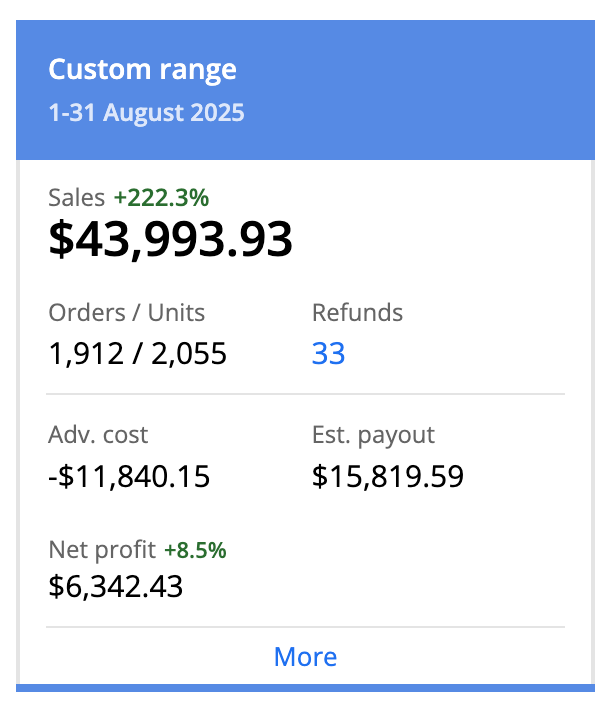
Monthly revenue scaled from ~$20K to ~$44K
Consistent month-over-month growth, not a single spike
💰
Performance Improvements
Higher conversion efficiency from improved listings
Better spend allocation through match-type isolation
Stronger monetization of existing traffic via remarketing
Most importantly, the brand moved from a fragile growth setup to a repeatable, scalable system.
Closing Insight
Elovate's growth wasn't driven by spending more—it was driven by spending smarter.
By:
- clarifying signals,
- fixing funnel leaks,
- and aligning ads, creatives, and listings,
we turned Amazon into a more predictable growth channel rather than a guessing game.